Darkest Dungeon Board Game Review, Tips & Strategies: A Complete Player’s Guide

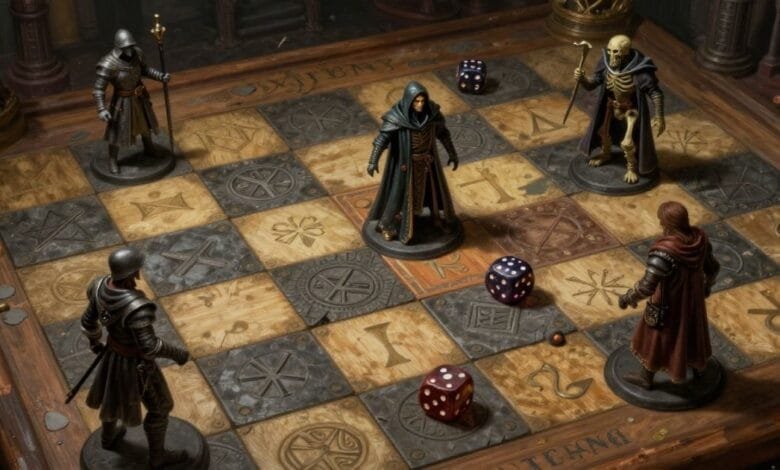
Quick snapshot first: this is a faithful, dark, and crunchy tabletop adaptation of the video game. It nails the vibe, gives you fantastic miniatures, deep tactical choices, and a heavy campaign feel, but the project’s crowdfunding and fulfillment history is messy, so buy carefully.
Quick Verdict TL;DR
If you love tense, atmospheric, and challenging dungeon crawl experiences, Darkest Dungeon Board Game gives you a faithful tabletop adaptation of the video game. The miniatures and art are excellent. The rules can be fiddly at first. The publisher and crowdfunding history are complicated, so check the current availability before you buy. In this guide, I will walk you through what the game is, how it plays, how to build winning parties, and what to watch out for when buying a copy.
What Is the Darkest Dungeon Board Game?
Darkest Dungeon Board Game is a cooperative dungeon-crawl adaptation of Red Hook Studios’ video game. Up to 4 players (or solo) take on quests, manage hero stress and injury, and slowly push toward the final “Darkest Dungeon” boss encounter. The tabletop version aims to recreate the videogame’s tension: limited healing, tough choices, and the constant risk of stress-based breakdowns. The project was launched as a large Kickstarter and later made available as a preorder/late-pledge on platforms like Gamefound.
First Impressions: Unboxing & Component Quality
When you open the box, a few things stand out right away:
- Miniatures: The minis are sharp and highly detailed. Many players picked the campaign up just for the sculpts. Reviews and unboxing videos praise the quality, though some backers reported variability and packaging issues.
- Cards & Boards: Thick, beautifully illustrated cards and large map tiles that capture the game’s aesthetic.
- Rulebook: Dense but well-illustrated; expect to spend time with it before your first game.
- Box organisation: The core box is large and satisfying, but you’ll likely want storage inserts if you plan to keep expansions.
If you’ve seen the unboxing videos and community photos, you’ll see that the components look premium, and the minis in particular are a highlight for most players.
How the Darkest Dungeon Board Game Works (Core Mechanics Explained)
Let’s break the core mechanics into bite-sized parts so you can picture a game:
- Quests & Map Tiles
- Each quest uses modular tiles forming corridors, rooms, and special locations. You explore and reveal new tiles as you move.
- Heroes & Stances
- Heroes have distinct roles and a selection of skills. Each turn you choose stances or positions that affect attack order, range, or special abilities.
- Skill Selection
- Before fights, you select a subset of a hero’s possible skills (often choosing 3 from 7). That choice defines the hero’s role in that battle.
- Stress System
- Beyond health, heroes have stress. Stress can cause quirks, afflictions, or breakdowns and is a central part of the game’s tension.
- Dice & Combat Resolution
- Combat uses dice and modifiers. Positioning, stances, and skill selection matter a lot.
- Hamlet & Campaign Progression
- Between quests, you manage the hamlet: upgrade buildings, buy supplies, and treat stress/injuries. Choices here affect your long-term chances.
The game blends tactical positioning and resource management with a campaign meta layer that punishes reckless play, which is what fans of the video game expect.
Darkest Dungeon Board Game Characters (Heroes & Roles)
The heroes are the heart of the game.
- Hero archetypes
Each hero has a role. You will find blocking tanks, heavy hitters, healers, and utility characters. Knowing what each hero brings and how they interact is the first step to success. - Skill trees and upgrades
Heroes progress via equipment and personal upgrades. A skill that looks weak early can become essential after you invest points. - Stress quirks and personality
Stress can alter a hero with quirks. These are both role play and tactical. Some quirks help in certain fights and harm in others. - Miniatures and visual cues
The minis help you identify characters and plan movement. Positioning against specific enemies matters, so use the sculpt detail to stay oriented.
Knowing your hero roles makes planning easier. Later, I will share the best builds and synergies to try.
Setup & Quickstart: Play Your First Quest Faster
If you want to play your first scenario quickly, here is a stripped-down setup roadmap that gets you to the table faster.
- Open the box and find the scenario book. Choose the tutorial or first scenario.
- Pull the core board, the room tiles, the scenario cards, and the enemy deck for that mission. Keep all other expansions sealed for now.
- Pick a small party. Start with two to three heroes to reduce complexity.
- Sort hero cards and ability decks at a glance into labeled piles so you can access them quickly.
- Place the few tokens you need on the board rather than sorting every token into trays. You can organise later.
- Read the short scenario setup and follow the step-by-step instructions. Keep the full rules handy for questions.
Quick tips to get running the first time
- Use reference sheets heavily. Each hero and enemy type often has a compact reference.
- Play with one experienced player guiding two new players. This speeds decision-making.
- Ignore slow campaign bookkeeping for the first two sessions. Focus on how a single scenario plays.
This approach trades some bookkeeping accuracy for faster, more fun learning. You can add complexity as you become comfortable.
How to Play Darkest Dungeon Board Game (Step-by-Step Guide)
This expands the quickstart into a standard turn cycle and key decision points.
Game Flow — High Level
- Preparation Phase (Before the Quest)
- Select heroes. Choose skills. Equip items. Review the quest briefing.
- Exploration Phase (During the Quest)
- On your turn, move and reveal tiles. Movement can trigger traps or encounters.
- Encounter Phase (Combat / Events)
- When enemies appear, you switch to tactical combat. Heroes and enemies act in initiative order, influenced by stances and effects.
- Hamlet Phase (Between Quests)
- Spend gold, upgrade the hamlet, treat stress, and prepare for the next mission. Persistent choices matter.
Typical Player Turn (Detailed)
- Start: Resolve any start-of-turn effects (bleed, stress ticks).
- Action: Move up to your movement allowance. Enter new tiles to reveal encounters.
- Combat: If you engage, choose skills and stances. Roll dice and resolve damage, control effects, and stress gains.
- End: Track injuries, mark used skills, and pass play to the next hero.
- Enemy Activation: After the player phase, enemies activate per their AI script or cards. Resolve their attacks, stress inflictions, or movement.
Stress & Quirks (Important)
- Stress increments happen from certain enemy attacks or events.
- High stress triggers checks that can cause quivers, afflictions, or quirks that change hero behavior.
- Manage stress with camp skills, hamlet treatments, and choosing when to retreat.
Winning & Losing
- Win by completing the quest objective (e.g., slay a boss, retrieve an item).
- Lose if the party is wiped or you fail a campaign objective. The hamlet meta can also produce a loss condition if you let the world spiral.
Tactical Tips & Winning Strategies
This is the meat. Use these tactics to survive longer and win more consistently.
1. Skill Choice > Raw Power
Choosing the right triad of skills pre-combat is huge. Pick abilities that cover:
- One reliable single-target damage.
- One area, or control ability, for groups.
- One utility/heal or stress mitigation.
2. Positioning Is King
Stances and positions determine who you can hit and who can hit you. Use front-liners to block enemies and protect squishier ranged heroes.
3. Stress Control Early
If you take stress early, your party will suffer long-term. Use camp skills or early hamlet upgrades focused on stress relief.
4. Use Stuns and Crowd Control
A stunned enemy doesn’t act next turn. Spending actions to control is often safer than blasting for more damage, especially on mobs.
5. Know When To Retreat
Sometimes retreating to heal and reset is the better campaign play. Don’t chase one quest to doom the hamlet.
6. Resource Planning
Between quests, prioritize hamlet buildings that address your recurring pain points (stress or specific enemy types you struggle with).
7. Synergy ≠ Same Class
Avoid stacking four of the same type. A balanced party (tank/healer/control/damage) often outperforms an all-DPS party in campaign mode.
8. Prepare for Surprise Mechanics
Many quests introduce environmental or scenario effects. Read the quest text carefully and adapt builds beforehand.
Best Hero Builds & Party Synergies
Here are a few reliable archetypes and sample synergies to try.
Classic Balanced Party (Great for beginners)
- Crusader (Frontline/Tank): Taunt and strong single-target.
- Vestal (Healer/Support): Healing and stress reduction.
- Highwayman (Ranged DPS): Reliable single target and mobility.
- Plague Doctor (Control/Debuff): DoT, stun, or anti-bleed tools.
Why it works: you have a meatshield, sustain, single-target burst, and control tools. This covers most tactical bases.
Glass Cannon Party (Risky, high reward)
- Bounty Hunter: Massive single-target.
- Occultist/Arbalest (depending on video-game parallels): High damage, but fragile.
- Support: Minimal or no healer; relies on quick kills and retreating to manage stress.
Use only when you’re comfortable with retreat timing and crisis management.
Stress-Mitigation Team (Long Campaign Focus)
- Heroes with camp and stress-reliant skills.
- Invest hamlet in stress-reduction buildings.
- Focus: survive attrition and outlast bosses.
Solo Play Guide: Tips for One-Player Campaigns
Playing solo changes priorities, you control all heroes, so:
- Choose complementary heroes so you can cover multiple roles. Crusader + Plague Doctor + Vestal often cover the necessary bases for solo.
- Simplify skill choices; keep your builds straightforward to reduce decision overhead.
- Use bookmarking: mark which hero handles which role each turn to avoid analysis paralysis.
- Adjust difficulty mentally: with you piloting all heroes, you can achieve synergies that make certain fights easier. Still, treat threats as if you don’t have a second player to cover mistakes.
Solo play is rewarding for story and atmosphere; the campaign feels very cinematic when it’s just you and the minis.
House Rules & Common Gameplay Problems
Community house rules smooth rough edges and speed play. Here are the most common and useful:
Popular House Rules
- Streamlined Setup: Prebuild a few standard hero decks or use printable player mats to speed setup.
- Shortened Campaign: Remove or shorten certain hamlet events to trim campaign time.
- Healing Buff: Slightly boost healing in casual groups to reduce excessive grind.
Common Problems & Fixes
- Slow setup/tear-down: Invest in storage trays and labeled bags for cards and minis.
- Rules ambiguity: Keep a “rules adjudicator” person (or a single rulebook reference) for quick table rulings.
- Balance spikes: If an encounter feels impossible, allow a single-use “fallback” item or camp action to mitigate frustration.
Pros, Cons & Who Should Buy This Game
Pros
- Fantastic miniatures and art, a visual treat for fans.
- Strong atmosphere and faithful video game feel.
- High-quality miniatures and art.
- Deep decisions and meaningful stress mechanic.
- Deep tactical gameplay: decisions matter, and the stress mechanic is thematic.
- Authentic tone: effectively captures the video game’s oppressive mood.
Cons
- Crowdfunding and fulfillment controversy: major delays, Wave 2 uncertainty, and publisher financial troubles have affected backers and retail availability. Research before buying.
- Rule clarity and organisation are common complaints. Players recommend consulting community summaries.
- Large setup time and table space demands.
- Crowdfunding and publisher history may affect buyer confidence. There have been reported controversies around communication and fulfilment.
- Length and complexity: not a casual “one-off” filler game; expect long sessions.
- Potential variable mini quality / missing components reported by some backers, buyer beware on used copies.
Who Should Buy?
- Buy if you are a fan of the video game, love detailed miniatures, and enjoy long cooperative campaigns.
- Hold off / buy used if you’re risk-averse about Kickstarter/fulfillment issues or want a game that’s quick to learn and play.
- Fans of the video game, who want a tabletop translation of tension and mood.
- Players who enjoy long epic sessions and campaign-style progression.
- Collectors who value miniatures and artwork.
Who should not buy?
- Players who prefer short, casual sessions with minimal setup.
- Those who need immediate customer support or worry about long-term publisher issues.
Buying Guide: New vs Used Copies, Availability & Publisher Notes
The purchase situation is unusual and important to understand:
- Kickstarter & Gamefound: The project was crowdfunded and had huge stretch goals. Late pledges were offered on Gamefound after the Kickstarter. Check official pages for the current status.
- Publisher status: The publisher (Mythic Games) has faced serious financial and legal troubles, which impacted Wave 2 production, fulfillment, and refunds. This has left backers and buyers with uncertainty about future content. Check recent news before buying.
- New vs Used: New sealed copies (or “pledge bundles” on resale) can be pricey on marketplaces. Used copies may be missing stretch goal items; always ask for component photos and confirm included expansions. eBay and Amazon listings do exist, but verify the seller’s reputation.
Buying a quick checklist
- Ask the seller: “Does it include Wave 1 only, or Wave 2/expansions? Are stretch goals included?”
- Request component photos (minis, rulebook, compendium).
- Prefer trusted sellers or platform buyer protection.
Price expectation
- New retail prices vary by region and edition.
- Used market prices fluctuate depending on included extras.
Before you buy, check the seller’s return policy and confirm what items are present in the box.
Final Verdict & Overall Rating
Overall, the Darkest Dungeon Board Game is a strong adaptation for players who love a heavy, atmospheric cooperative challenge. The miniatures, theme, and tension are standout features. However, the rules and campaign bookkeeping require patience. Backer and publisher history is a concern for collectors who demand flawless fulfilment and long term support. If you want a deep, dramatic tabletop campaign and do not mind ironing out a few rough edges with house rules, you will probably enjoy this game a lot. If you want a light, quick, or widely supported retail experience, consider other dungeon crawl options.
My quick rating:
- Gameplay & design: ★★★★☆
- Component quality: ★★★★★ (minis especially)
- Accessibility/learning curve: ★★☆☆☆ (steep)
- Purchase risk (crowdfunding/fulfillment): ★☆☆☆☆ (high uncertainty historically)
FAQs About the Darkest Dungeon Board Game
Q1. Is this a faithful adaptation of the video game?
Ans: Yes. The board game captures the feel of stress and harsh choices found in the video game. Many players say the atmosphere is excellent.
Q2. How many players can play?
Ans: The box supports one to four players. Solo play with two hero controllers is common and recommended for many campaigns.
Q3. Is the game good for beginners?
Ans: It is not the easiest gateway game. The learning curve is moderate to high. I recommend using the quickstart method above and playing a tutorial scenario first.
Q4. Are the miniatures pre-painted?
Ans: That depends on the edition. Some retail editions include painted-like finishes or a red wash. Check the edition and product description.
Q5. Are there expansions and wave releases?
Ans: Yes. The game has expansions and additional hero packs. Some were offered as part of the crowdfunding stretch goals or later waves. Confirm what content is included with a purchase.
Q6. Were there problems with the Kickstarter or the publisher?
Ans: There were reported communication and fulfillment issues raised by backers. Also, recent business developments around the publisher have affected long-term support and fulfillment for some crowdfunding projects. Research recent news when making a buying decision.
Q7. How long does a session take?
Ans: Typical playtime ranges from ninety to one hundred twenty minutes, depending on scenario complexity and player decision time.
Q8. Should I buy new or used?
Ans: If you value full stretch goal content and warranty support, new is ideal. Used can be cheaper but verify contents carefully.
Sources & Further Reading
For the big facts I cited above (Kickstarter, campaign page, publishing news, and community threads), see the official Kickstarter and Gamefound project pages, community threads (BoardGameGeek/Reddit), and recent reporting on publisher status.
Final Notes & Personal Thoughts
I love games that make hard choices feel meaningful. Darkest Dungeon Board Game does that well. If you enjoy tension, theatre of the mind, and collectible miniatures, this will be a rewarding addition to your shelf. If you want straightforward rules, less setup, or fully guaranteed post-purchase support, you may want to consider alternatives or buy used carefully.
Which style flow combo is your go-to when building a party in games like this? I am curious to know what you pick more often, stress control or raw damage. 😊
If you want, I can do one of these next steps for you right now
- Create a printable quick reference sheet for the most common rules and hero actions.
- Write three custom house rules to speed setup and make the game friendlier for beginners.
- Produce a shopping checklist so you can buy a complete box or verify a used copy before purchase.
Tell me which one, and I will make it now.





8 Comments