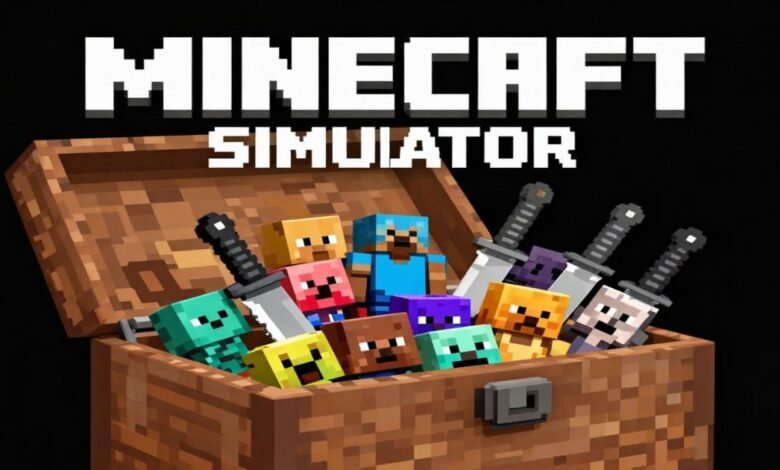
Minecraft has always been about discovery. You break blocks, open chests, find rare items, and keep exploring. That same thrill is part of why Minecraft Case Simulator has become an interesting search term for casual players who enjoy virtual rewards, rarity systems, and quick browser-based games. Some listings describe it as a free, no-download game where you open cases, win items, sell them for coins, and chase rarer drops through multiple rarity levels.
This article explains what the game concept is, how it appears to work, why players enjoy it, what to look for before playing, and how it compares with the way Minecraft itself handles loot. The goal is simple: give you a clear, useful, and trustworthy guide without fluff or guesswork. Minecraft’s own official updates show that loot tables are a real part of the game’s design, used for things like smithing templates and Trial Chamber vault rewards, which helps explain why “case opening” ideas feel familiar to Minecraft players.
What Is Minecraft Case Simulator?
At a basic level, Minecraft Case Simulator is a Minecraft-themed virtual case-opening game. Public listings describe it as a casual browser game where players spend virtual coins to open cases, receive items, and sell those items back for more coins. One listing says the game includes five rarity tiers, from ordinary to gold, and that item value depends on rarity and durability.
Another listing presents it as a free online simulation with no download required, and it categorizes it as a card/simulation/tycoon-style game with Minecraft themes. That same listing shows it as available on PC and Android, suggesting it is aimed at quick play sessions rather than long, complex progression systems.
That matters because this type of game is not really about building a survival world the way traditional Minecraft is. Instead, it focuses on the excitement of opening virtual cases, seeing what drops, and managing an in-game economy. For many people, the appeal comes from the loop itself: open, win, sell, repeat.
How the Minecraft Case Simulator Appears to Work

The public description of the game is straightforward. You open cases by spending coins, receive items with different rarity levels, and then sell those items to earn more coins. The cycle is designed to keep you moving forward through luck, scarcity, and reinvestment rather than through combat or crafting depth.
One listing specifically says the items have five degrees of rarity and that the item’s price depends on both rarity and durability. That is important because durability adds a second layer to the economy. A rare item is not always the best item if its condition lowers its value.
A second listing also shows that the game is positioned as a browser experience with no registration and no download, which lowers the barrier to entry. That is one reason people discover it through quick searches and play it casually for a few minutes at a time.
In simple terms, the game is less about “winning” in the traditional sense and more about enjoying the feeling of uncertainty. Each case creates a small moment of suspense, and that suspense is the main product. That is why case simulators are often grouped with casual, collecting, idle, and incremental games.
Why Players Search for Minecraft Case Simulator
There are a few strong reasons this keyword gets attention.
First, it is easy to understand. You do not need to memorize controls, master combat, or learn a long crafting tree. The core idea is familiar to anyone who has opened a chest in a game: you pay a small cost, you get a random reward, and you hope for something rare.
Second, it scratches the same curiosity that makes loot systems popular in many games. Minecraft itself uses loot tables in official content updates, including loot systems tied to smithing templates and Trial Chamber vaults. In other words, randomness is already part of Minecraft’s broader gameplay language, even though the simulator is its own separate experience.
Third, the game appears to be designed for short play sessions. That makes it attractive for players who want a lightweight browser game they can launch quickly on a PC or Android device. Listings for the simulator emphasize convenience, free access, and easy play.
Finally, it appeals to the collection mindset. Many players enjoy filling inventories, chasing rarities, and converting low-value items into better opportunities. If that sounds satisfying, the simulator is built around exactly that loop.
What Makes It Different From Regular Minecraft?

This is an important distinction. Minecraft Case Simulator is not the same thing as playing Minecraft survival, creative, or adventure mode. It is a separate, Minecraft-themed game concept built around case openings rather than mining, crafting, and world-building. The available listings describe it as a casual simulator, card game, or tycoon-style experience, not as a core mode inside the official game.
Minecraft’s official updates show how loot tables work in the real game. For example, Mojang has adjusted loot tables for smithing templates, made some templates more common, and tied Trial Chamber rewards to specific loot systems. Those changes are part of official Minecraft gameplay design, not a separate case-opening app.
That difference matters for expectations. If you go into a simulator expecting deep survival mechanics, you may be disappointed. If you go into it expecting a fast, luck-driven mini game about collecting and selling items, it makes more sense.
The best way to think about it is this: Minecraft Case Simulator borrows the look and some of the emotional appeal of Minecraft-style rewards, but it packages that feeling into a much simpler game loop. That is why it can feel both familiar and completely different at the same time.
Core Features Players Usually Care About
Not every simulator is built the same, but the listings for Minecraft Case Simulator highlight several features that are worth paying attention to.
1. Virtual currency loop
The simulator uses coins to open cases and earn more coins by selling items. That creates a simple economy that rewards good luck and smart reinvestment.
2. Multiple rarity levels
One listing says the game includes five rarity degrees, ranging from ordinary to gold. That kind of rarity ladder gives each opening a sense of progression, even when the item itself is small.
3. Item durability and value
The same listing says the item price depends on rarity and durability. That means the system is not only about getting rare drops; it is also about getting drops in good condition.
4. Browser-friendly access
The game is described as free, no download, and browser-based. That makes it easier to try compared with a full install or account-heavy platform.
5. Mobile and PC availability
One source lists PC and Android support, which suggests a broader casual audience rather than a single-device niche.
6. Ongoing updates
The Playgama listing shows a release date in January 2023 and a last update in February 2026, which suggests the title has continued to receive attention rather than being abandoned immediately after launch.
The Appeal: Why This Kind of Game Feels So Addictive
The appeal of a case simulator is less about skill and more about anticipation. Every opening has a tiny build-up, a reveal, and a result. That makes the gameplay emotionally active even when the mechanics are simple. The public description of Minecraft Case Simulator leans into exactly that idea, emphasizing luck, treasure hunting, and the chance to become “rich” with virtual currency.
This is also why the Minecraft theme works well. Minecraft players are already used to discovering structures, opening chests, and finding rare items in a world built on surprise. Official Minecraft loot-table changes, including updates to armor trim and Trial Chamber rewards, show that item rarity and discovery are central enough to the game that Mojang continues refining them.
For casual players, that means the simulator can feel satisfying even if they only spend a few minutes with it. The loop gives immediate feedback, and immediate feedback often keeps people engaged longer than a slow, grind-heavy design.
That said, the same design that makes the game fun is also what makes it repetitive. If the item loop is too shallow, the game may lose its charm quickly. Good case simulators usually solve that with variety, rarity tiers, visible progression, and enough balance to make each opening feel meaningful.
Pros and Cons of Minecraft Case Simulator

A balanced view is the most useful view here.
Pros
The biggest advantage is accessibility. The listings describe a free, no-download browser game, which makes it easy to try without friction.
Another plus is the simple gameplay loop. You do not need a long tutorial or advanced gaming knowledge to understand opening cases, selling items, and buying more cases.
A third strength is the sense of progression. With multiple rarity levels and item-value differences, the game can create a feeling of growth even in short sessions.
It also works well as a casual time-passer. If someone wants a lightweight game between tasks, a browser-based simulator is easier to fit into a busy day than a full-scale game.
Cons
The main weakness is repetition. Case-opening games rely heavily on randomness, and randomness can become stale if the reward system does not stay fresh.
Another downside is limited depth compared with real Minecraft. The simulator is about collecting and selling, not building, exploring, farming, or surviving.
A third issue is expectation mismatch. Because the game uses the Minecraft name and style, some players may expect something closer to official Minecraft content. That is where the distinction between a fan-style simulator and Minecraft’s official loot systems becomes important.
What to Look For Before You Play
If you are browsing for a Minecraft case simulator, a few details are worth checking before you invest time.
First, confirm whether the game is free and no-download, since many listings are designed to promote quick access but can still vary in features. The sources I found describe this simulator that way, but not every similar game uses the same setup.
Second, check the platform support. One listing shows PC and Android support, which is useful if you switch between devices.
Third, look for the item economy. A good simulator should explain how rarities work, how items are priced, and whether durability affects resale value. The description for Minecraft Case Simulator does exactly that by tying price to rarity and durability.
Fourth, pay attention to the update history. A recent update date usually suggests the game is still being maintained. In the Playgama listing, the game shows a February 2026 update.
Fifth, be clear about what kind of experience you want. If you want a deep sandbox, a simulator will not replace Minecraft. If you want a quick reward loop, the simulator format may be exactly right.
Smart Tips for Getting More Enjoyment Out of It
Even though Minecraft Case Simulator is luck-based, you can still approach it more intelligently.
Start by understanding the rarity ladder
If a game has five rarity levels, the lower tiers will usually appear more often than the highest tier. That means you should not judge the game after only a few openings. Give the system enough time to show how the economy really works.
Treat early coins as fuel, not treasure
Because the game’s description says you can sell items for coins and reopen cases, early progress is usually about building enough currency to unlock better opportunities. That makes the first phase of play more like bankroll management than pure collecting.
Pay attention to value, not just rarity
A rare item is exciting, but if durability affects price, then a high-rarity item may not always be your best resale option. That is one of the few strategic layers the simulator appears to offer.
Play in short sessions
This type of game is built for quick bursts. Short sessions often work better than marathon play because they preserve the fun of anticipation and prevent the repetition from wearing you down. The browser-game format and casual category support that style of play.
Keep expectations realistic
The game is about virtual unboxing, not earning real-world value. The listings emphasize coins, virtual rewards, and game economy rather than real cash outcomes. That distinction matters for keeping the experience fun and safe.
Minecraft Case Simulator as a Low-Pressure Entertainment Choice
One reason this topic gets attention in search results is that it sits between gaming and casual entertainment. It is not as demanding as a full survival game, but it is more interactive than a plain idle clicker. One Playgama listing even places it in categories such as simulation, tycoon, collecting, sandbox, incremental, and browser games, which gives a good sense of the hybrid appeal.
That positioning can be useful for players who want a no-pressure activity. Because the public descriptions highlight virtual currency, item selling, and no-download access, the game fits neatly into the “play for a few minutes and move on” category.
For parents or general readers, that also makes it easier to understand what the game is not. It is not a competitive esports title, not a deep survival sandbox, and not a replacement for the core Minecraft experience. It is a light, luck-focused simulation built around the feeling of opening something valuable.
How Minecraft’s Own Loot System Adds Context
To understand why case simulators are so appealing to Minecraft fans, it helps to look at the official game itself. Mojang’s updates show that loot tables are a live part of Minecraft’s design. In one official snapshot, the studio adjusted loot tables for smithing templates, made certain templates more common, and guaranteed one Eye Armor Trim in every Stronghold library chest.
In another official update, Minecraft adjusted Trial Chamber vault loot so that different vault types could provide different high-value rewards, including rare enchantments and other items. Mojang also adjusted the chance of Trial Keys dropping from Ominous Trial Spawners.
That official design work matters because it shows how carefully Minecraft balances discovery. A good reward system has to feel surprising without becoming unfair or exhausting. That same balance is what a case simulator tries to mimic in a smaller, more casual way.
So when people search for Minecraft Case Simulator, they are often really searching for the same emotional rhythm that Minecraft already delivers: suspense, reward, rarity, and the possibility of a memorable drop. The simulator simply compresses that feeling into a lighter format.
Who Will Like Minecraft Case Simulator the Most?
This kind of game is a strong match for a few groups.
It suits players who like casual browser games because it is easy to launch and does not require a long commitment.
It also fits people who enjoy collecting games and virtual inventory management. The game loop is designed around finding items, comparing value, and deciding what to keep or sell.
Players who like chance-based progression will probably enjoy it too. The entire game is built around randomness and rarity, which can be satisfying when you like surprise-driven gameplay.
Finally, it can appeal to Minecraft fans who want something themed around the game world without diving into a full sandbox session. The setting and item style may feel familiar even though the mechanics are different.
When the Game May Not Be the Best Fit

Minecraft Case Simulator is probably not ideal for someone who wants deep crafting systems, base building, exploration, or combat variety. The public descriptions focus on opening cases, selling items, and collecting virtual currency, not on world simulation or survival mechanics.
It may also feel too repetitive for players who do not enjoy luck-based systems. If the reward loop is not your thing, the game can feel flat after the novelty wears off.
And if you are looking for official Minecraft content, this is the wrong category entirely. Mojang’s official loot-table system belongs inside Minecraft itself, while the simulator is a separate experience that borrows the theme rather than the full game structure.
Final Thoughts
Minecraft Case Simulator is best understood as a light, luck-based Minecraft-themed case opening game. Public listings describe it as free, browser-friendly, and centered on opening cases, winning items, and selling them through a simple virtual economy. Those same listings also point to multiple rarity tiers, item durability, and platform availability on PC and Android.
What makes it interesting is not complexity but pacing. The game takes the familiar thrill of discovery and shrinks it into a quick, accessible format. That is why it can feel entertaining even when the mechanics stay simple. Minecraft’s own official loot-table updates show how powerful this kind of reward design can be when it is balanced well.
If you are looking for a casual game that rewards curiosity, quick decisions, and a little bit of luck, this simulator concept may be worth a try. If you prefer deeper gameplay, it may work better as a short diversion than a main game. Either way, the idea behind it is clear: open, discover, and enjoy the suspense.
FAQ
Q1. What is Minecraft Case Simulator?
It is a Minecraft-themed virtual case-opening game where players open cases, win items, and sell items for coins.
Q2. Is Minecraft Case Simulator free?
Public listings describe it as free to play.
Q3. Do you need to download it?
One listing says no download is required and that it works in the browser.
Q4. What kind of items can you get?
The simulator description says items come in five rarity levels, from ordinary to gold, and their value depends on rarity and durability.
Q5. Is this the same as real Minecraft?
No. Real Minecraft uses official loot tables in gameplay systems, while this is a separate simulator focused on virtual case openings.
Q6. Can you play it on mobile?
One listing shows Android support, along with PC availability.
Q7. What makes the game fun?
The main appeal is the suspense of opening cases, seeing rare drops, and building up virtual coins through a simple reward loop.
Q8. Is it a good game for short breaks?
Yes. Its browser-based, casual format makes it a natural fit for short sessions.